
How to Design a Website for a Psychology Private Practice
If you’re wondering how to design a website for a psychology private practice, you’re not just building an online brochure — you’re creating a trust-building tool that turns visitors into booked consultations.
A private practice website must do three things:
- Build emotional safety
- Rank in search engines
- Convert visitors into clients
Most therapist websites miss at least one of these.
Let’s walk step by step through how to design a website for a psychology private practice that actually works.
1. Clarify Your Positioning Before You Design Anything
Before choosing colors, templates, or platforms, define:
- Who do you serve? (Teens, couples, trauma survivors?)
- What issues do you specialize in?
- Are you in-person, virtual, or hybrid?
- What makes your approach different?
Generic messaging like “Compassionate therapy services” won’t convert or rank.
Specific messaging does.
Example:
“Helping high-achieving women manage anxiety and burnout in Chicago.”
Specificity improves:
- SEO targeting
- Trust
- Conversion rates
2. Choose the Right Website Structure
When learning how to design a website for a psychology private practice, structure is everything.
Your website should include:
- Home
- About
- Individual Service Pages (one per specialty)
- FAQs
- Contact / Book Consultation
- Privacy Policy
Each service page should target its own keyword.
Example:
- Anxiety therapy in [city]
- Trauma counseling for adults
- Couples therapy in [city]
This builds topical authority and improves local rankings.
3. Use SEO From Day One (Not After Launch)
SEO should not be an afterthought.
When designing a website for a psychology private practice, implement:
- Your main keyphrase in the homepage title
- Keyphrase in the first paragraph
- At least one H2 with the keyphrase
- 800–1,200 words on important pages
- Internal links between related services
- Clean, short URLs
If you’re using WordPress, install Yoast and ensure:
- Keyword density is balanced
- Readability is green
- Meta title and description are optimized
For official search guidance, review Google’s documentation on helpful content:
https://developers.google.com/search/docs/fundamentals/creating-helpful-content
4. Design for Emotional Safety and Trust
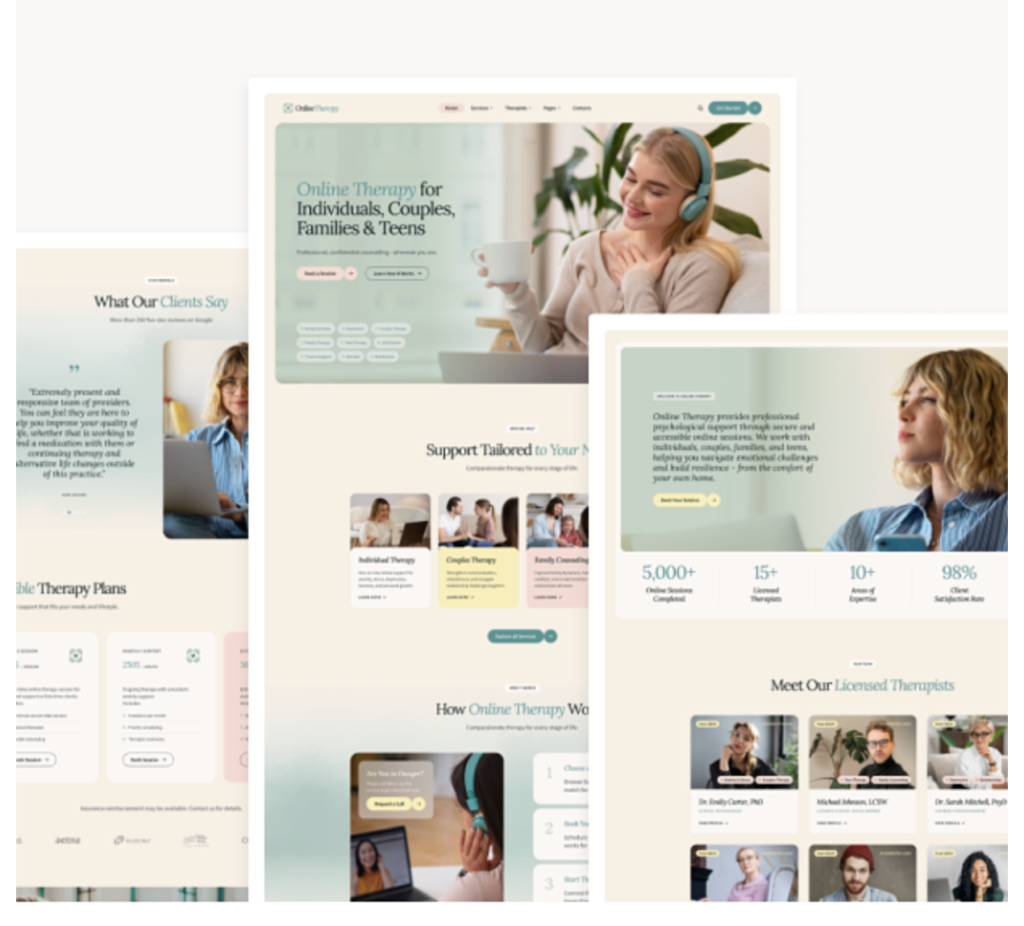
Image by cmsmasters
Therapy clients are often anxious before reaching out.
Your design should feel:
- Calm
- Simple
- Non-intimidating
- Professional but warm
Best practices:
- Soft, neutral color palette
- Clean white space
- Real photography when possible
- Simple navigation
- Clear call-to-action buttons
Avoid:
- Stock photos that look staged
- Cluttered layouts
- Overly clinical language
- Long paragraphs with no spacing
5. Include Strong Trust Signals
Trust is conversion fuel.
Add:
- Credentials and licensure
- Years of experience
- Professional affiliations
- HIPAA compliance information
- Clear privacy policy
- Testimonials (if permitted legally in your region)
Trust signals reduce hesitation.
6. Make Booking the Next Step Obvious
If you want to know how to design a website for a psychology private practice that generates leads, this is critical:
Every page should guide visitors to the next step.

Include:
- “Schedule a Free Consultation” button above the fold
- CTA buttons throughout pages
- A short contact form
- Phone number in header
- Calendar booking integration
Don’t make people hunt for how to contact you.
7. Add Local SEO Elements
If you operate locally:
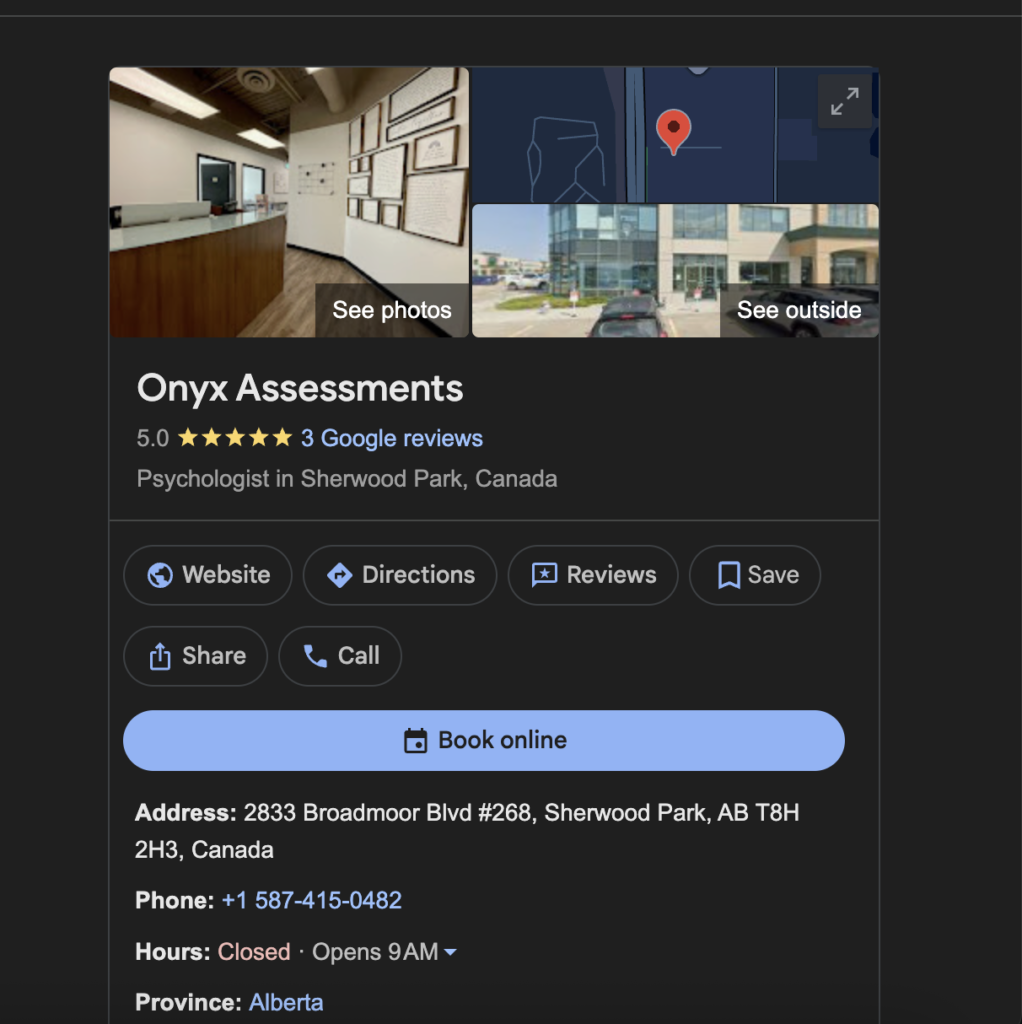
- Include city and state in title tags
- Create optimized service pages with city modifiers
- Add your address in the footer
- Embed Google Maps
- Claim your Google Business Profile
Local SEO is often the difference between page 3 and page 1.
8. Optimize for Mobile and Speed
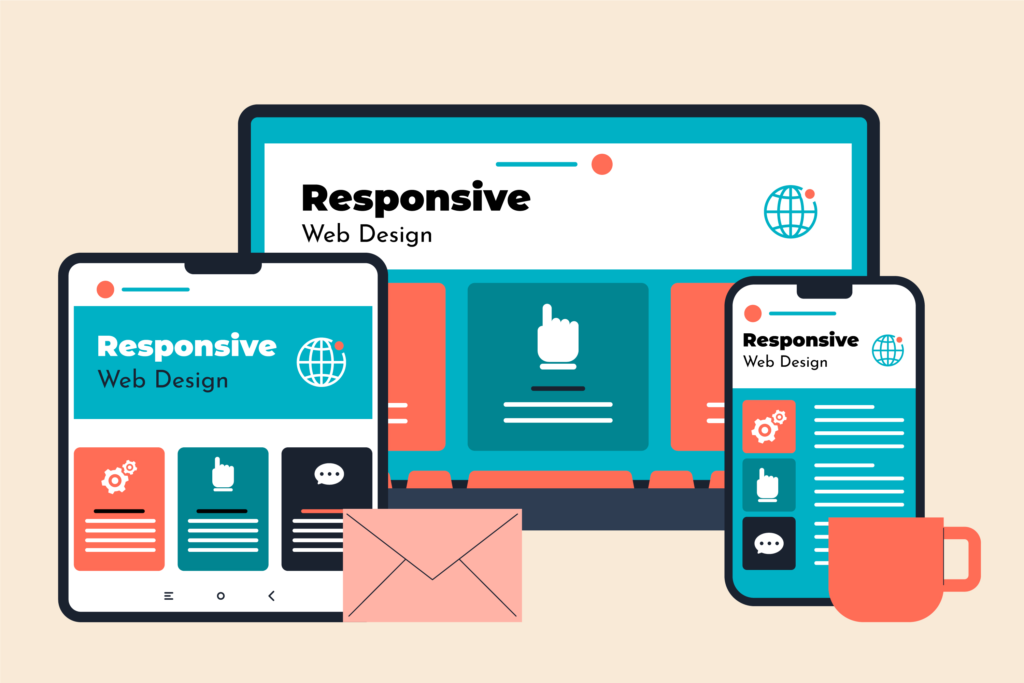
Over half of therapy searches happen on mobile devices.
Check:
- Button size
- Text readability
- Page load speed
- Image compression
A slow or hard-to-navigate mobile site will increase bounce rates.
9. Use Internal and External Links Strategically
Internal linking example:
Learn more about our therapist website design services
This distributes authority across your site.
External linking:
Link to authoritative sources like government health resources or professional psychology associations.
Avoid linking your main keyword repeatedly. Keep anchors natural.
10. Add a Blog to Build Authority
A blog helps you rank for informational searches such as:
- How to find the right therapist
- Signs of anxiety disorder
- What to expect in your first therapy session
Each post builds domain authority and increases visibility.
If you’re serious about learning how to design a website for a psychology private practice that grows over time, blogging is essential.
Frequently Asked Questions
What should a psychology private practice website include?
A psychology private practice website should include a homepage, about page, individual service pages, FAQs, contact page, and privacy policy. It should clearly explain who you help, your specialties, and how clients can schedule a consultation.
How long should a private practice website be?
Core pages should contain at least 800 words. Service pages should ideally be 800–1,200 words to compete effectively in search engines.
Is SEO really necessary for therapists?
Yes. Without SEO, your website may not appear when potential clients search for therapy services in your area. Proper optimization ensures visibility and consistent inquiries.
